


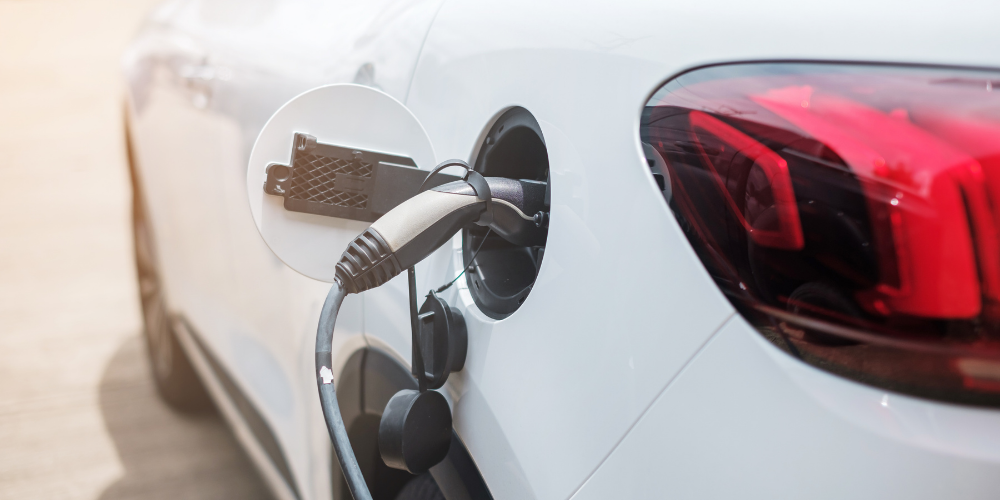

The electric vehicle transition is already reshaping finished vehicle logistics. EVs change how vehicles are stored, transported, inspected, and dispatched, from battery handling at the compound to charging windows in transit. Manufacturers still running on legacy platforms are increasingly exposed to operational risk their software was never designed to manage.
Every stage of the supply chain has to absorb new requirements. Manufacturers who adapt early pay less to catch up later.
The EV transition reshapes the supply chain itself. On a transporter, a combustion vehicle and an electric vehicle look much the same. The operational reality of moving them, storing them, and handing them over to the customer is materially different.
For finished vehicle logistics, every stage from factory to dealer has to absorb new requirements:
- Battery state-of-charge tracking at every handover
- Charging access and increasing capacity demands at yards, compounds, and ports
- Updated damage codes and inspection criteria
- Changing Workshop skillsets
- Software updates that may need to happen pre-delivery
- Heavier vehicles requiring different transport rigging
- Battery discharge rules and requirements for safer shipping
The list grows with every new model launch. Software platforms designed without EVs in mind cannot absorb these changes without expensive reengineering.
The differences are physical, regulatory, and operational. They ripple through every link of the chain.
Weight. Battery packs add hundreds of kilograms. Loading limits on transporters change. Yard ramps and lifting equipment need rated capacity. Multimodal logistics moves get recalculated.
Charging. Vehicles arriving with low state of charge need to be plugged in. Compounds need power infrastructure they never had before. Charging schedules become part of the operations plan.
Fire and thermal risk. Storage protocols include separation distances, ventilation requirements, and incident response that did not apply to combustion fleets.
Software-defined updates. Vehicles may need over-the-air or wired updates before delivery. The yard becomes a place where the software state matters as much as the physical condition.
Tighter handling tolerances. Damage to battery enclosures or charging ports carries higher rectification costs and can leave a vehicle non-deliverable.
Three operational areas where the EV shift lands hardest:
Yard and compound storage. Compounds designed for combustion fleets were not laid out for charging. Adding charge points at scale, allocating space by vehicle type, and managing charge cycles across thousands of units is a new operational discipline.
Multimodal transport. Heavier vehicles, fire-risk classifications during ocean transport, and specific routing for battery-related restrictions all complicate what used to be a straightforward freight plan.
Damage and quality inspections. EV-specific damage codes, battery health checks, and software state verification add steps to every handover. Generic inspection workflows do not capture them.
None of these are solved by adding modules onto a platform that was not designed with EVs in mind. They need workflows built around the realities of electric vehicles themselves.
When evaluating automotive supply chain software for the next decade, prioritise:
- Configurability for new EV-specific processes so handling rules can be added without development cycles
- Integration with vehicle telematics and battery data for live state-of-charge, location, and condition information
- Scalability across mixed combustion and electric fleets, because most manufacturers will run both for years
- Live visibility from factory to dealer, so production changes flow downstream without lag
Anything less locks you into a process designed around a single vehicle type. The platform a manufacturer chooses now sets the pace for the next decade of vehicle launches, combustion and electric.
Manufacturers acting on their automotive supply chain software now are building the operational foundation for what comes next. The platform decision made today shapes how easily the operation absorbs each new EV model that follows.
ProAct Global Solutions has been working as an EV and finished vehicle logistics partner to manufacturers navigating exactly this shift. Explore our solutions or get in touch to discuss what the transition could mean for your operation.